
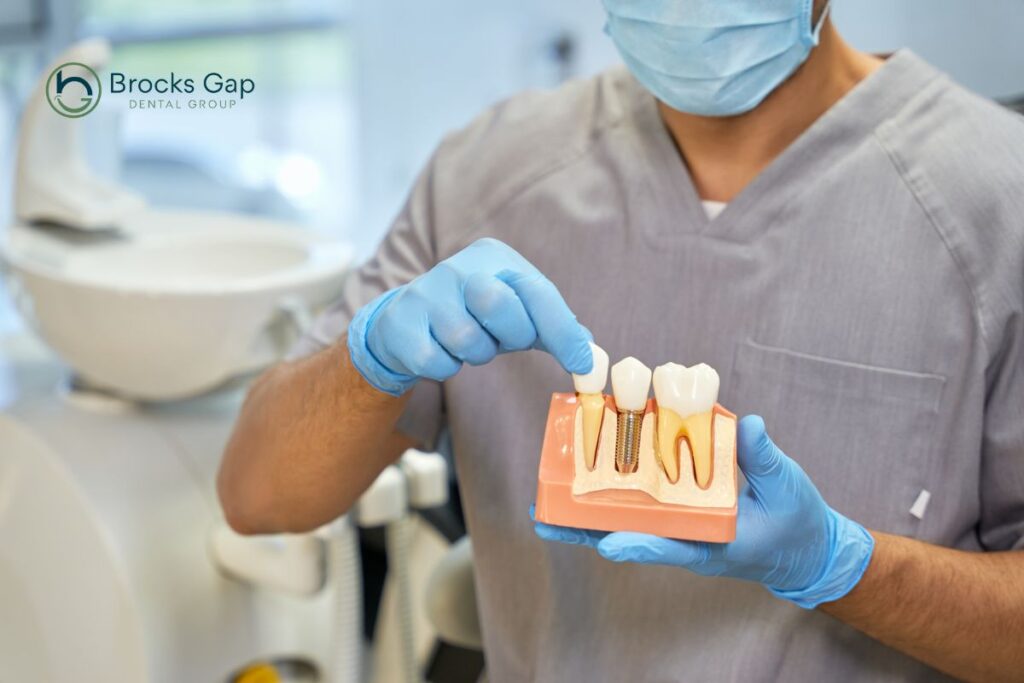
When it comes to restoring your smile, dental implants are often considered the gold standard. They offer durability, functionality, and an aesthetic that closely mimics natural teeth. However, not everyone is a candidate for dental implants, and some patients may seek alternative options. If you’re searching for dental implants in Hoover, you might also be interested in exploring other effective solutions. This comprehensive guide will delve into the next best alternatives to dental implants, including bridges, dentures, and other advanced dental procedures. Whether you’re looking for a cosmetic dentist in or a general dentist in, this article will provide valuable insights to help you make an informed decision about your dental health.
Understanding Dental Implants
Before diving into the alternatives, it’s essential to understand why dental implants are so highly regarded. Dental implants involve surgically placing a titanium post into the jawbone, which acts as a root for the artificial tooth. This process not only replaces the missing tooth but also helps preserve the jawbone’s structure and prevents bone loss. Implants are known for their longevity, often lasting a lifetime with proper care. They provide a stable and permanent solution that feels and functions like a natural tooth.
The Limitations of Dental Implants
Despite their many benefits, dental implants are not suitable for everyone. Several factors might lead patients to seek other options:
- Bone Density: Insufficient bone density in the jaw can make it challenging to support an implant.
- Health Conditions: Certain medical conditions, such as diabetes or osteoporosis, can affect the healing process and the success of the implant.
- Cost: Dental implants can be expensive, and not all insurance plans cover the procedure.
- Surgical Procedure: The invasive nature of the surgery may deter some patients.
Dental Bridges: A Popular Alternative
For those unable to undergo dental implant surgery, dental bridges are a commonly recommended alternative. A dental bridge consists of one or more artificial teeth anchored by crowns on adjacent natural teeth or implants. If you need some help with the dental bridge you can contact dentist in Hoover. Here’s why dental bridges might be the next best thing:
Benefits of Dental Bridges
- Cost-Effective: Bridges are generally less expensive than dental implants.
- Less Invasive: Unlike implants, bridges do not require surgery.
- Time-Efficient: The process of getting a bridge is quicker, often completed in just a few visits.
Considerations
- Durability: While bridges can last many years, they typically don’t last as long as implants.
- Bone Loss: Bridges do not prevent bone loss in the jaw, as there is no root replacement.
- Maintenance: They require diligent oral hygiene to prevent decay of the supporting teeth.
Dentures: Versatile and Removable
Dentures have long been a solution for missing teeth, and modern advancements have made them more comfortable and natural-looking. There are two main types of dentures: partial and full.
Benefits of Dentures
- Non-Invasive: Dentures do not require surgery, making them a suitable option for many patients.
- Affordability: They are often more affordable compared to implants and bridges.
- Flexibility: Dentures can be adjusted or replaced easily as needed.
Considerations
- Stability: Dentures may not be as stable as implants, potentially leading to discomfort or difficulty in chewing.
- Bone Loss: Similar to bridges, dentures do not prevent jawbone deterioration.
- Care and Maintenance: Dentures require regular cleaning and sometimes adhesive for better fit and comfort.
Also Read: Unveiling the Longevity of Dental Implants: A Comprehensive Guide
Removable Partial Dentures (RPDs)
For patients missing only a few teeth, removable partial dentures (RPDs) can be a practical option. RPDs consist of replacement teeth attached to a gum-colored plastic base, connected by a metal framework that holds the denture in place.
Benefits of RPDs
- Cost-Effective: They are less expensive than full dentures and implants.
- Conservative Approach: RPDs preserve the remaining natural teeth without the need for significant alteration.
- Easy Adjustments: They can be easily adjusted for comfort and fit.
Considerations
- Aesthetics: RPDs may not look as natural as other options.
- Comfort: They may require some time to get used to and can cause minor irritation initially.
- Maintenance: Regular cleaning is essential to prevent oral health issues.
Implant-Supported Dentures
For those looking for a hybrid solution, implant-supported dentures might be the answer. These dentures are anchored by dental implants, providing enhanced stability and comfort.
Benefits of Implant-Supported Dentures
- Stability: They offer a more secure fit compared to traditional dentures.
- Bone Preservation: The implants help maintain jawbone integrity.
- Comfort: Less movement and slippage compared to regular dentures.
Considerations
- Cost: This option can be more expensive due to the combined cost of implants and dentures.
- Surgical Procedure: Implant placement requires surgery, which may not be suitable for all patients.
Resin-Bonded Bridges: A Minimally Invasive Option
Resin-bonded bridges, also known as Maryland bridges, are a conservative alternative to traditional bridges. They are primarily used for front teeth and involve attaching artificial teeth to the adjacent natural teeth using metal or porcelain wings.
Benefits of Resin-Bonded Bridges
- Minimally Invasive: No significant alteration of adjacent teeth is required.
- Cost-Effective: They are generally less expensive than traditional bridges.
- Quick Procedure: The process can be completed relatively quickly.
Considerations
- Strength: They are not as strong as traditional bridges or implants, limiting their use to less stress-bearing areas.
- Durability: Resin-bonded bridges may not last as long and might need replacement sooner.
Conclusion: Choosing the Right Option for You
When considering alternatives to dental implants, it’s essential to consult with a cosmetic dentist in Hoover or a general dentist to evaluate your specific needs and circumstances. Each option—bridges, dentures, RPDs, implant-supported dentures, and resin-bonded bridges—has its own set of advantages and considerations. Your dentist can help you weigh these factors and recommend the best solution for restoring your smile and oral health.
In summary, while dental implants remain a top choice for many, understanding the next best alternatives allows you to make an informed decision that best suits your health, budget, and lifestyle. Whether you opt for a bridge, dentures, or another dental solution, the key is to work closely with your dental professional to achieve a healthy, beautiful smile.