
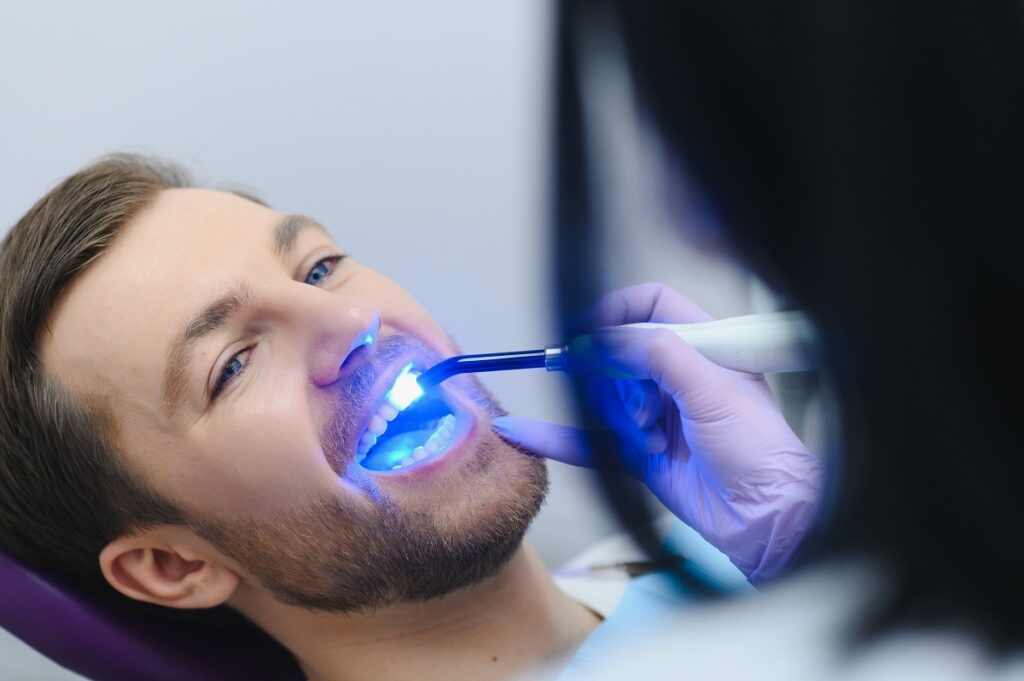
In Hoover, where busy schedules and social confidence often go hand in hand, many patients walk into our office unsure whether they need a functional fix or a cosmetic upgrade. Some are dealing with chipped teeth that don’t hurt but affect their confidence. Others have underlying issues like worn enamel or minor misalignment, but assume it’s “just cosmetic.” This confusion is more common than most people realize, especially when the line between health and aesthetics isn’t clearly explained.
At Brocks Gap Dental Group, led by Dr. Lauten Johnson, the focus is on balancing function, health, and appearance. Our team approaches every case by looking beyond surface-level concerns. Instead of categorizing treatments as simply cosmetic or traditional, we evaluate how each option affects long-term oral health, bite stability, and patient confidence.
When “Cosmetic” Isn’t Just About Looks
One of the biggest misconceptions we see is patients assuming cosmetic treatments are optional or purely aesthetic. In reality, many cosmetic procedures address underlying structural or functional concerns.
For example, slightly crooked teeth may seem like a visual issue, but they often create uneven pressure when you bite. Over time, this can lead to enamel wear, sensitivity, or even small fractures. Similarly, worn or chipped teeth can disrupt bite alignment, forcing surrounding teeth to compensate.
In these cases, cosmetic treatments like bonding, veneers, or clear aligners are not just improving appearance. They are correcting the way your teeth function together.
Patients who delay these treatments often return later with more complex issues that could have been prevented earlier. Before making a decision, it’s important to understand how a cosmetic dentist in Hoover evaluates your smile differently than a purely symptom-based approach.
Where Traditional Dentistry Still Leads
Traditional dentistry focuses on diagnosing and treating disease. This includes cavities, infections, gum disease, and structural damage that directly threatens oral health.
If you’re experiencing pain, swelling, bleeding gums, or visible decay, traditional treatments like fillings, crowns, or root canal therapy take priority. These procedures are designed to stabilize the tooth and prevent further damage.
However, what many patients don’t realize is that traditional treatments often restore function but not always the original appearance.
For instance, a filling may fix a cavity, but it may not fully restore the natural contour or translucency of the tooth. This is where cosmetic enhancements can complement traditional care.
The Overlap Most Patients Miss
In real clinical scenarios, cosmetic and traditional dentistry rarely exist as separate categories. Instead, they overlap in ways that directly impact outcomes.
A common example we see involves patients who receive crowns after tooth damage. While the crown restores strength, its shape and alignment also affect how your bite functions. A poorly contoured crown can lead to discomfort or uneven wear over time.
Similarly, orthodontic treatment is often viewed as cosmetic, but correcting alignment improves oral hygiene access, reduces gum disease risk, and distributes bite forces evenly.
Subtle Signs You Might Be Choosing the Wrong Approach
Patients don’t usually make incorrect decisions because they ignore their teeth. More often, they misinterpret what their symptoms actually mean.
Here are a few patterns we frequently observe:
- You avoid smiling due to minor imperfections, assuming it’s purely cosmetic, but the issue is worsening alignment
- You’ve had repeated fillings in the same area, which may indicate bite imbalance rather than just decay
- You experience sensitivity without visible cavities, often linked to enamel wear or grinding
- Your teeth appear shorter or uneven, suggesting gradual erosion or bite-related stress
Ignoring these signs can shift a simple cosmetic fix into a more complex restorative case.
Cost vs Value: What Patients Often Get Wrong
Cost is one of the biggest decision drivers, and understandably so. Cosmetic treatments are often perceived as expensive and elective, while traditional care feels necessary and urgent.
However, this short-term thinking can sometimes backfire.
For example, repeatedly repairing a chipped tooth with basic fillings may cost less initially, but if the underlying alignment issue isn’t addressed, the tooth continues to break down. Over time, this leads to more extensive and expensive treatments like crowns or implants.
On the other hand, addressing the root cause early through a cosmetic-functional approach can reduce long-term costs and preserve natural tooth structure.
The key is not choosing the cheaper option, but choosing the right intervention at the right time with guidance from your local dentist.
Real-World Patient Behavior That Impacts Outcomes
From a clinical standpoint, patient habits and decision-making patterns play a major role in treatment success.
Some common behaviors include:
- Delaying treatment because there is no pain
- Opting for temporary fixes instead of comprehensive solutions
- Prioritizing cost over long-term stability
- Assuming cosmetic concerns can wait indefinitely
These patterns often lead to progression, where minor issues evolve into structural damage, gum complications, or bite dysfunction.
Patients who take a proactive approach, even for seemingly minor concerns, typically experience better outcomes with less invasive treatment.
Making the Right Decision for Your Smile
Choosing between cosmetic and traditional dental treatments isn’t about labeling one as better than the other. It’s about understanding what your teeth actually need at this stage.
A proper evaluation considers:
- The current condition of your teeth and gums
- Bite alignment and pressure distribution
- Risk of progression if left untreated
- Your functional needs and aesthetic goals
The right plan often combines both approaches in a way that supports long-term health and confidence.
If you’re unsure whether your concern is cosmetic or requires traditional treatment, the team at Brocks Gap Dental Group can help you make a clear, informed decision. Schedule a consultation with Dr. Lauten Johnson to get a personalized evaluation that prioritizes both function and long-term results.
Conclusion
Understanding the difference between cosmetic and traditional dental treatments allows us to make smarter decisions about our oral health. What may seem like a minor aesthetic concern can often have deeper functional implications that shouldn’t be ignored.
By addressing issues early and choosing the right combination of treatments, we can protect our teeth, improve our confidence, and avoid more complex procedures in the future.