
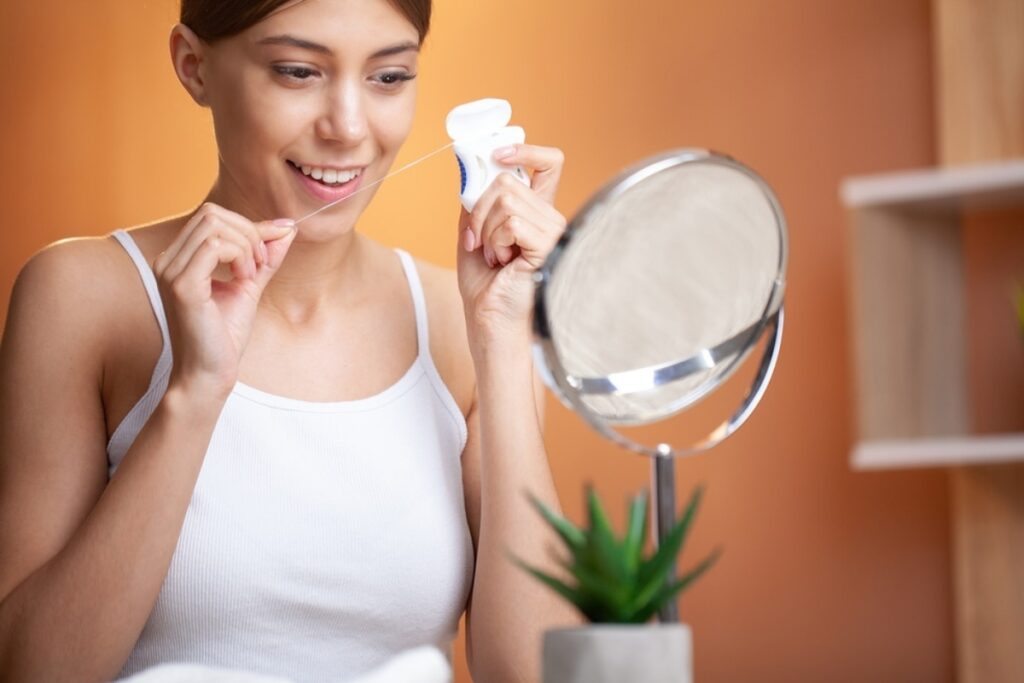
A healthy smile doesn’t just happen—it’s built through consistent habits at home. One of the most common questions local patients ask is:
“How often should I really brush and floss my teeth?”
Let’s break it down with help from trusted local dental professionals, so you can keep your smile fresh, healthy, and cavity‑free.
How Often Should You Brush?
Most dental experts recommend brushing twice daily—once in the morning and once before bed. Brushing more than twice isn’t harmful if done gently, but brushing too aggressively can wear down enamel and irritate gums.
Brushing before bed is especially important, since plaque bacteria become more active overnight. If you enjoy a late‑night snack, a quick rinse or gentle brushing helps reduce acid build‑up.
When Should You Floss?
While brushing removes plaque from tooth surfaces, flossing targets the tight spaces your toothbrush misses.
Dental professionals suggest flossing at least once daily. The best time? Typically, at night, so plaque doesn’t sit undisturbed while you sleep.
If you wear braces or have dental bridges, special floss threaders or water flossers can make the job easier—and faster.
You should brush your teeth twice daily—morning and night—and floss at least once daily, ideally before bedtime, to help remove plaque and maintain gum health.
Why Consistency Matters (And What the Research Says)
Studies have shown that twice‑daily brushing reduces plaque accumulation and lowers your risk of cavities by almost 50% compared to brushing once daily.
Similarly, daily flossing helps reduce the risk of gingivitis and gum disease.
Local dental professionals emphasize that it’s not just about frequency—it’s also about technique:
- Brush gently for two minutes each time.
- Use a soft‑bristled brush.
- Replace your toothbrush every 3–4 months or sooner if the bristles fray.
Tips From Local Dental Teams
Residents around Hoover often lead busy lives, so here are practical tips local experts share:
- Keep a travel toothbrush at work or in your car for midday brushing, especially after lunch.
- Try floss picks or interdental brushes if traditional floss feels awkward.
- Set reminders on your phone until brushing and flossing become automatic.
These small habits can make a big difference in long‑term oral health.
Signs You Might Need to Brush or Floss More Often
Even with a regular routine, watch for:
- Bleeding gums
- Persistent bad breath
- Noticeable plaque build‑up
- Sensitivity between teeth
If you notice any of these, local dental providers recommend scheduling a professional cleaning or evaluation to adjust your routine.
Final Thoughts
The takeaway?
- Brush twice daily
- Floss once daily
- Visit your local dental team regularly for check‑ups and cleanings
Building these simple habits today means fewer problems tomorrow—and a healthier, brighter smile for years to come.
Ready for a Healthier Smile? Let’s Talk
Maintaining daily brushing and flossing habits is the foundation of oral health, but professional check‑ups and cleanings matter too.
Whether you’re new to the area or simply looking for a local dental team you can trust, consider scheduling your next visit today.
A quick consultation with our team at Brocks Gap Dentistry can help personalize your routine and keep your smile looking its best.